



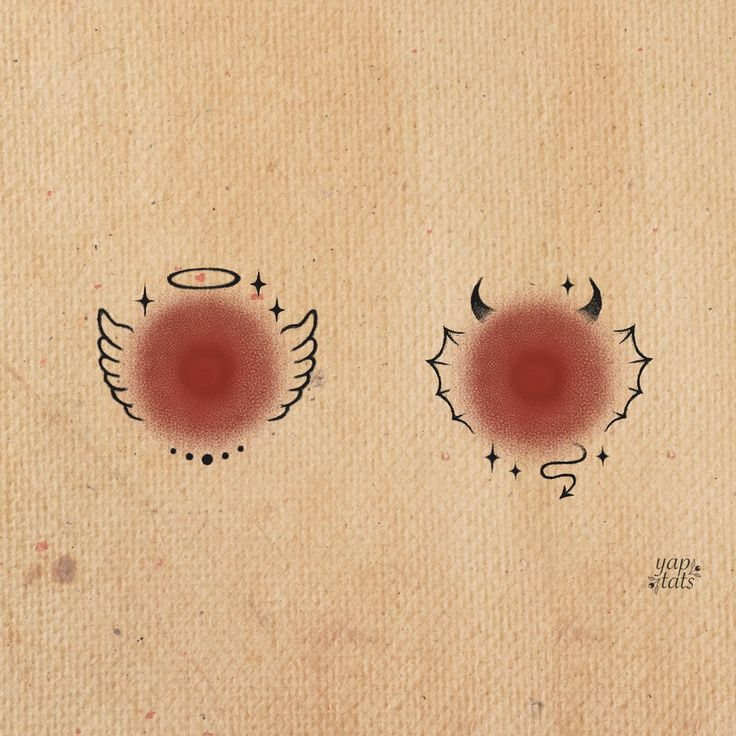
In restorative nipple micropigmentation, optical depth depends just as much on color accuracy as it does on shading technique. Even the finest three-dimensional 3d areola tattoo austin tx shadow work will look artificial if the hue clashes with a client’s complexion, heals too cool, or fails to mirror an existing natural breast. Custom color matching is the science and artistry of blending pigments that harmonize with human skin, surgical scars, and underlying vascular tones so the final result looks genuinely biological.
Why Standard Tattoo Inks Fall Short
Natural human skin is semi-translucent. When pigment is implanted into the upper dermis, light passes through the outer epidermal layer, reflects off the pigment, and travels back through the skin’s own melanin and blood vessels before reaching the eye.
-
Undertone Shifts: Standard black or dark brown body-art inks often heal with bluish, grayish, or ashy casts because the overlying skin acts like a cool filter.
-
Natural Complexity: A real areola is never a single flat color. It contains warm pinks, muted terracotta, soft umbers, subtle freckling, and delicate vascular variations that shift slightly with body temperature and lighting.
-
Controlled Fading: Paramedical pigments—typically formulated from purified iron oxides or stabilized organic-hybrid compounds—are engineered to fade softly and predictably over time rather than shifting into unnatural hues.
Adapting Color Theory to Post-Surgical Skin
Reconstructed breast tissue behaves differently than untouched skin, requiring specialized color adjustments before a needle ever touches the body:
Neutralizing Cool and Irradiated Undertones
Skin that has undergone mastectomy surgery or radiation therapy frequently carries cool, bluish, or pale gray undertones due to altered blood flow and thinner dermal layers. To prevent the finished areola from healing dull or bruised-looking, paramedical artists introduce warm color modifiers—such as muted golden ochre, soft coral, or warm terracotta—into their custom pigment mix to neutralize coolness.
Navigating Scar Tissue
Surgical incisions across the breast mound consist of dense, avascular collagen that reflects light differently than surrounding skin.
-
Pale or Hypopigmented Scars: Require slightly warmer, more saturated pigment layering so the scar line does not shine brightly through the center of the areola.
-
Hyperpigmented or Darker Scars: Require careful tonal balancing and feathered stippling around the edges so the transition between scar tissue and normal skin remains seamless.
Unilateral vs. Bilateral Color Formulation
The color-matching strategy shifts depending on whether the client is restoring one breast or both:
Unilateral Restoration (Matching a Natural Areola)
When one natural breast remains, the artist’s goal is exact visual symmetry:
-
Neutral Lighting Assessment: The artist evaluates the natural areola under balanced daylight-spectrum lighting to identify its base hue, outer border softness, and inner nipple contrast.
-
Spot-Testing on Skin: Small dabs of blended pigment are placed directly onto the reconstructed breast near the target site—never just on a white paper towel—to see how the color interacts with the client’s actual skin undertone.
-
Micro-Detail Replication: Subtle freckles, pigment mottling, and pale Montgomery glands are mapped and replicated so the restored side mirrors the organic imperfections of the original.
Bilateral Restoration (Designing From Scratch)
When both breasts have been reconstructed, or when a client chooses an aesthetic flat closure, the artist guides the selection using whole-body color harmony:
-
Fitzpatrick Skin Type Calibration: Fair skin tones typically harmonize best with soft dusty roses, muted peaches, and light warm tans; medium and olive complexions pair naturally with warm rosewoods, toasted almonds, and soft siennas; deeper skin tones shine with rich mahoganies, warm espressos, and subtle plum-brown undertones.
-
Natural Reference Points: Artists often reference the natural warmth of the client’s inner lips, nail beds, or pre-surgical photographs (if available) to select a shade that feels familiar and authentic.
Building the 3D Illusion Through Tonal Layering
Rather than dipping into a single bottle of pigment, paramedical artists build a multi-tone palette for every session:
-
Base Wash: A translucent, skin-harmonized mid-tone establishes the overall diameter and soft, pixelated outer border of the areola.
-
Highlight Tones: Pale cream, soft peach, or warm ivory pigments are lightly stippled along the upper ridge of the simulated nipple (papilla) and the tops of Montgomery glands to catch light.
-
Shadow Tones: Deeper, muted brown-violet or cool umber blends are layered beneath the nipple base to create the cast shadow that tricks the eye into seeing physical projection.
How Healing Transforms the Final Color
Immediately after a session, custom-blended pigments always look 20% to 40% darker and warmer than the intended final shade due to surface oxidation and mild skin redness. Over the next 6 to 8 weeks, as the epidermis sheds and regenerates over the implanted pigment, the colors soften, cool slightly, and settle into a natural, lifelike finish. A scheduled touch-up session at the 6-to-8-week mark allows the artist to fine-tune warmth and contrast once the skin’s true healing response is visible.
